

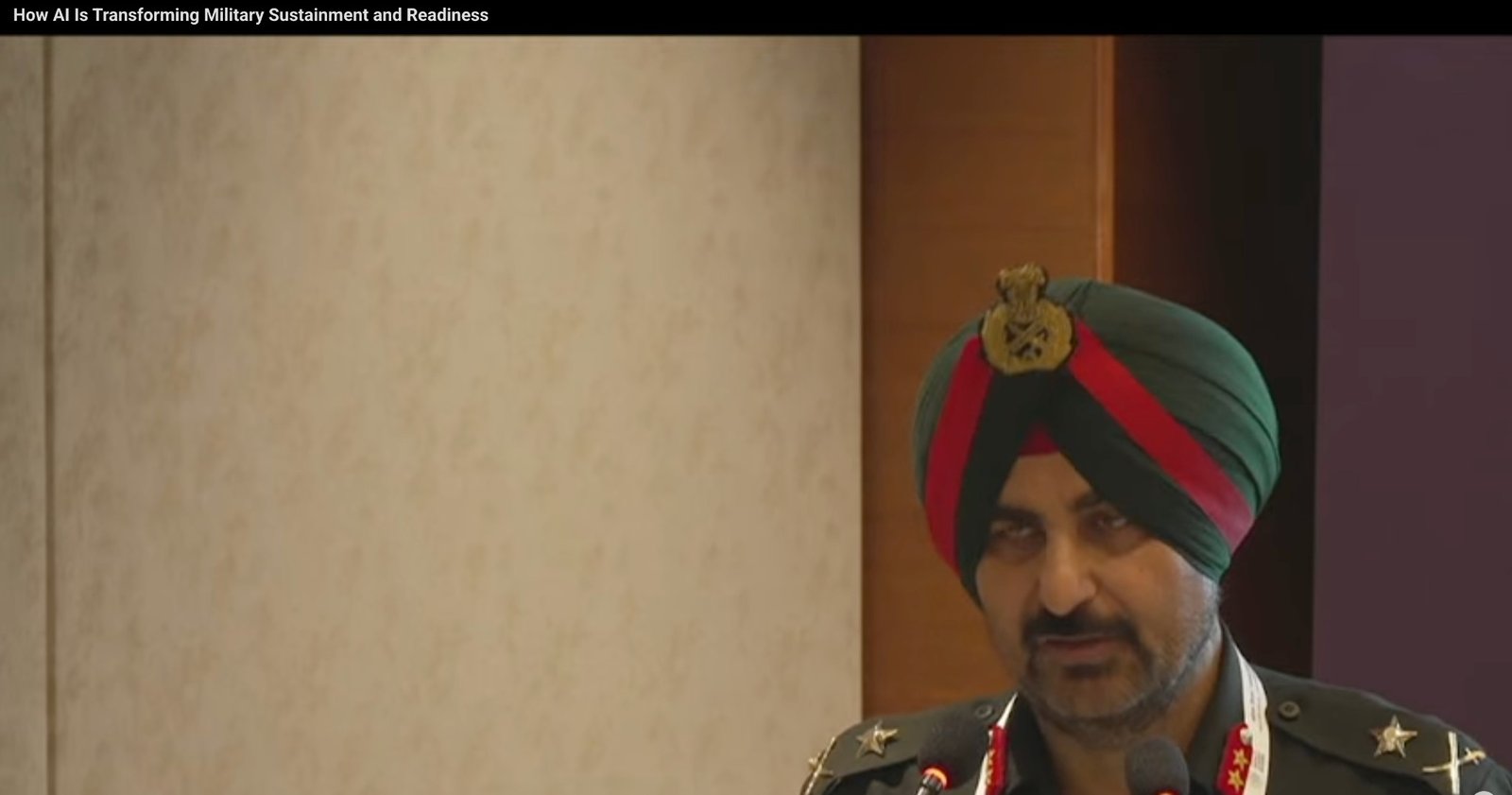
The session titled AI in Sustainment: Enhancing Operation Readiness of Military Equipment, held during the India AI Impact Summit at Bharat Mandapam, brought together defence leaders, industry experts, and academic researchers to examine how artificial intelligence can strengthen equipment sustainment, improve maintenance efficiency, and enhance operational readiness through data driven decision making.
The discussion focused on the growing role of AI in lifecycle management of military systems, highlighting how predictive and prescriptive approaches can support smarter maintenance strategies, optimise resource utilisation, and reduce operational downtime. As defence ecosystems increasingly modernise, participants explored how AI can be integrated into both legacy and next generation equipment to support long term mission effectiveness.
Session Context
The panel explored the application of artificial intelligence for data driven governance in equipment sustainment. Discussions centred on how AI powered analytics can help shift maintenance strategies from reactive repairs toward proactive and predictive models that improve readiness and reliability.
Participants noted that AI based sustainment frameworks can enable better planning, enhance lifecycle sustainability, and support informed decision making across operational environments.
“AI driven sustainment represents a transition toward predictive readiness, where data enables smarter planning and operational confidence.”
— Session Perspective
The conversation also addressed challenges related to data integration, decentralised systems, and the complexity of applying AI within established defence infrastructures.
Speakers And Participants
The session featured contributions from military leadership, industry specialists, and academic experts representing operational, technological, and research perspectives:
-
Brig Deepak Kumar, EME (B)
-
Lt Gen Rajiv Kumar Sahni, AVSM, VSM, PhD, EME School, Indian Army
-
Maj Gen Mohit Gandhi, EME School
-
Maj Gen PS Bindra, VSM, Headquarters Southern Command, Indian Army
-
Maj Gen Shivendra Kumar Bhattacharya, EME (B)
-
Mr Biswajit Biswas, Tata Elxsi
-
Mr Sreeram Ananthasayanam, Deloitte
-
Prof Sashikumaar Ganesan, IISc Bengaluru
The diversity of participants highlighted the importance of collaboration between defence institutions, technology providers, and academic research ecosystems when deploying AI driven sustainment strategies.
Key Themes Discussed
Predictive And Prescriptive Lifecycle Management
Participants examined how AI systems can support early detection of equipment issues and enable predictive maintenance, reducing downtime and improving availability.
Integrating AI With Legacy Systems
The discussion addressed practical challenges associated with introducing AI into existing military equipment and infrastructure, particularly where data environments are fragmented.
Data Integration And Decision Support
Speakers emphasised the need for connected data ecosystems that allow decentralised yet coordinated decision making across maintenance and operational units.
Collaboration Across Ecosystems
The panel highlighted the value of partnerships between defence organisations, academia, and industry in developing scalable and secure AI solutions.
“Future sustainment models will depend on combining operational expertise with intelligent analytics and integrated data ecosystems.”
— Panel Insight
Strategic Relevance
The session underscored that AI enabled sustainment extends beyond maintenance optimisation. It plays a broader role in improving readiness, reducing lifecycle costs, and supporting strategic preparedness through more informed decision making.
Participants noted that successful adoption will depend on balancing innovation with reliability, ensuring that AI systems complement existing operational frameworks while enabling gradual transformation.
Knowledge Partner Contribution
The session was supported by the Indian Army, reflecting ongoing efforts to explore advanced technologies that strengthen operational capability through responsible and practical innovation.
Looking Ahead
As defence ecosystems continue to evolve toward data centric models, the discussion concluded that AI driven sustainment will become a critical component of future military readiness. Building robust data foundations, developing talent, and enabling collaboration across sectors were identified as essential steps toward long term success.
The session reinforced the broader message of the India AI Impact Summit that scaling AI responsibly requires coordinated efforts across research, industry, and operational domains to ensure reliability, resilience, and sustained impact.