

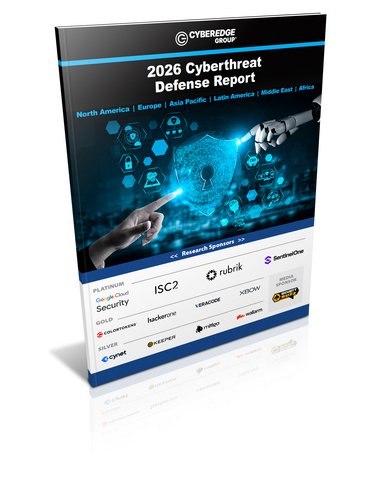
CyberEdge Group announced the release of its 13th annual Cyberthreat Defence Report (CDR), a comprehensive global study capturing the perspectives of 1,200 IT security professionals across 17 countries and 19 industries. The 2026 report reveals a cybersecurity landscape increasingly shaped by artificial intelligence (AI), workforce transformation, and escalating threat sophistication.
AI Reshaping the Cybersecurity Workforce and Threat Landscape
This year’s findings underscore the profound and accelerating impact of AI on cybersecurity operations and talent:
Pink slips on the horizon. 80 per cent of IT security professionals believe AI will significantly reduce the number of people required to perform their current roles. Among them, 46 per cent expect this shift to occur within the next two years, signalling possible rapid workforce disruption.
AI skills for new hires. 97 per cent of IT security hiring managers are actively seeking candidates with at least one AI-related skill, highlighting a critical shift in workforce requirements.
The dark side of AI. 46 per cent of respondents report that AI is contributing to a rise in adaptive and evasive malware, reflecting attackers’ growing use of AI-powered techniques.
LLM headaches. From a list of 14 IT components, proprietary large language models (LLMs) are viewed as the most difficult to secure, emphasizing new and complex risk vectors introduced by AI adoption.
“AI is no longer an emerging technology in cybersecurity—it is a defining force,” said Steve Piper, founder and CEO of CyberEdge Group. “Organizations are simultaneously leveraging AI for defense while contending with adversaries who are weaponizing it, creating a rapidly evolving and highly dynamic threat environment.”
Persistent Challenges Beyond AI
While AI dominates this year’s narrative, the report also highlights ongoing operational and strategic challenges:
Stretched too thin. “Lack of skilled personnel” remains the top inhibitor to cybersecurity success, reinforcing the urgency of talent development—particularly in AI-related domains.
A quantum problem. 94 per cent of organisations are beginning to prepare for quantum computing security risks, with 54 per cent actively developing plans to strengthen their security postures and risk mitigation strategies.
More paying up. 64 per cent of organisations experienced a ransomware attack in the past year. Of those that were victimised, the percentage paying a ransom increased substantially, from 41 per cent to 55 per cent.
Fewer left empty-handed. Of those victimised organisations that paid ransoms, 61 per cent successfully recovered their data – up from 54 per cent last year.
On a positive note, 90 per cent of organisations increased their IT security budgets in 2026—a record high for the report—with an average increase of 5.6 per cent, reflecting heightened prioritisation of cybersecurity investments. Additionally, more than half of organisations (53 per cent) now have a board member involved in or leading a cyber risk assessment committee, highlighting the growing emphasis on proactively managing emerging threats.
Navigating a New Cybersecurity Era
This year’s report highlights a pivotal shift: AI is now both a critical defence tool and a powerful weapon in the hands of cyber adversaries. Organisations that invest in AI capabilities, talent development, and resilient security strategies now will be best positioned to navigate this rapidly evolving landscape.