
OpenAI has unveiled IndQA in a latest release, a comprehensive evaluation framework designed to measure artificial intelligence systems' comprehension of Indian languages and cultural contexts. This development addresses a significant gap in AI assessment methodologies, particularly for non-English language capabilities.
Market Context and Strategic Rationale
The introduction of this benchmark responds to a critical market reality: approximately 80% of the global population uses languages other than English as their primary communication medium. Current evaluation tools have reached performance ceilings, with leading AI systems achieving similar high scores that limit their effectiveness in distinguishing genuine capability improvements.
India represents a strategically significant market for this initiative, with approximately one billion non-English primary speakers, 22 officially recognized languages (seven of which have speaker populations exceeding 50 million), and ranking as ChatGPT's second-largest user base globally.
Technical Specifications and Methodology
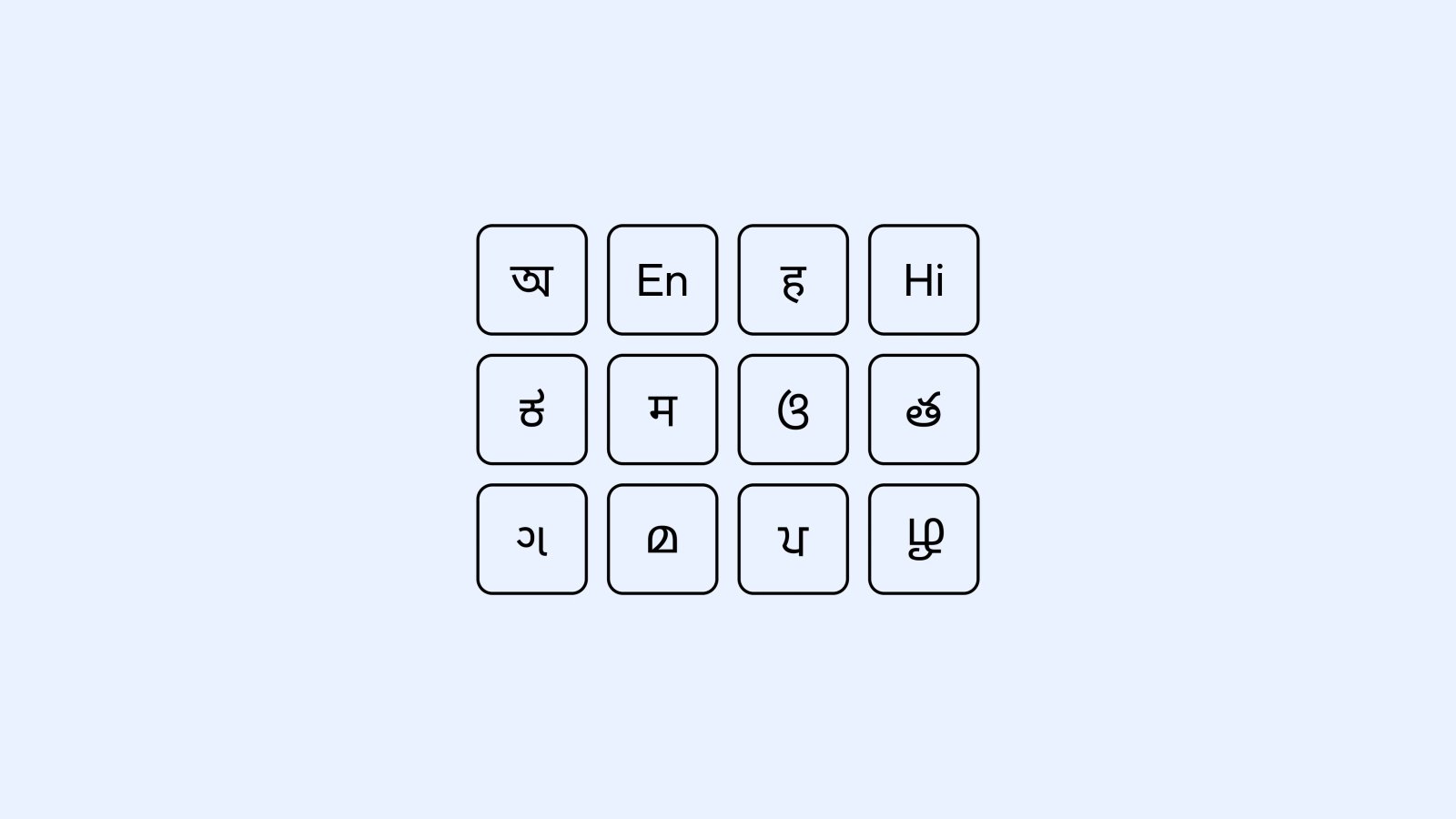
The IndQA framework comprises a total of 2,278 assessment items, which are spread out over 12 languages and 10 cultural categories. The development process required the participation of 261 subject matter experts located in different regions of India and coming from various professional backgrounds, including journalism, linguistics, academia, the arts, and particular industry sectors.
Languages included are Bengali, English, Hindi, Hinglish, Kannada, Marathi, Odia, Telugu, Gujarati, Malayalam, Punjabi, and Tamil. Hinglish is included because of code-switching's ubiquity in modern-day Indian communication.
Domain Areas:
- Architecture & Design
- Arts & Culture
- Everyday Life
- Food & Cuisine
- History
- Law & Ethics
- Literature & Linguistics
- Media & Entertainment
- Religion & Spirituality
- Sports & Recreation
Assessment Framework
Each evaluation item incorporates:
- A culturally contextualized prompt in the target Indian language
- English translation for audit purposes
- Expert-developed grading rubrics with weighted criteria
- Reference responses reflecting expert standards
The scoring methodology employs criterion-based evaluation, where responses are assessed against specific requirements established by domain experts. Each criterion carries weighted point values reflecting its relative importance, with automated evaluation determining criterion satisfaction and calculating aggregate scores.
Development Process
Expert Curation: Domain specialists created complex reasoning tasks connected to regional knowledge and cultural nuances, with all contributors possessing native-level language proficiency and specialized subject expertise.
Quality Filtering: Questions underwent validation testing against OpenAI's most advanced models (GPT-4o, OpenAI o3, GPT-4.5, and GPT-5). Only items where the majority of these systems failed to generate satisfactory responses were retained, ensuring the benchmark maintains discriminatory power for measuring progress.
Evaluation Infrastructure: Experts established detailed assessment criteria, ideal response templates, and English translations, followed by peer review and iterative refinement.
Performance Insights
Initial evaluations demonstrate measurable improvement in OpenAI's model performance on Indian language tasks over recent development cycles, while simultaneously indicating substantial opportunity for advancement. The company has committed to publishing results for subsequent model releases.
Important Considerations
Cross-linguistic comparisons should be interpreted cautiously, as question content varies across languages. The framework is optimized for tracking longitudinal improvement within specific model architectures rather than direct language-to-language capability comparison.
The adversarial filtering methodology—selecting questions that challenged OpenAI's strongest systems—may influence relative performance metrics, potentially affecting comparative assessments between OpenAI and third-party models.
Expert Contributor Profile
The development team included 261 Indian professionals spanning multiple disciplines:
- Award-Winning Actors, Screenwriters, and Composers
- Senior Journalists and Media Editors
- Linguistic Scholars and Lexicographers
- International Chess Grandmasters
- Cultural Activists and Heritage Conservation Specialists
- Academic Researchers in History, Architecture, and Regional Studies
- Poets and Performance Artists
Industry Implications
OpenAI positions this release as a catalyst for broader research community engagement in developing culturally informed evaluation frameworks. The organization suggests that similar methodologies could prove valuable for languages and cultural domains currently underserved by existing AI assessment tools, providing development targets for future model improvements.
This initiative forms part of OpenAI's broader strategy to enhance product accessibility and performance for Indian users across the country.