

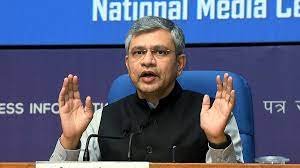
India is preparing to roll out a comprehensive “techno-legal” framework to combat the growing threat of deepfakes — synthetic audio, video, and imagery capable of manipulating public perception and eroding trust. Union Minister for Electronics and Information Technology Ashwini Vaishnaw announced that the regulation will be introduced “very soon”, marking one of the country’s most decisive steps toward managing the risks posed by artificial intelligence-driven misinformation.
Emphasising the urgency of the move, the Minister stated that the challenge of deepfakes cannot be addressed through legislation alone. The upcoming framework, therefore, aims to merge robust technical safeguards with an enforceable legal mechanism. This dual approach reflects India’s intent to not only penalise misuse but to prevent it through innovation — integrating AI-based detection systems, authenticity audits, and proactive governance measures into policy design.
Deepfakes, which use advanced AI algorithms to fabricate realistic yet false content, have emerged as one of the most pressing global threats to democracy, individual reputations, and digital integrity. From impersonating public figures to spreading disinformation or manipulating brand imagery, the potential impact spans politics, media, and commerce. India’s forthcoming regulations are expected to set clear boundaries for creators, platforms, and corporations, ensuring accountability without stifling creativity and innovation.
The Minister underlined that protecting citizens’ digital identities is paramount in an era where voice, face, and likeness can be easily replicated. The new framework will encourage platforms to build stronger detection systems, introduce mandatory content labelling, and enforce transparency in the use of AI-generated material. For brands and media strategists, this evolution means greater scrutiny of digital assets, new compliance responsibilities, and a re-evaluation of influencer partnerships and synthetic content strategies.
In parallel, the government continues to advance its technology and manufacturing agenda, with two semiconductor units now operational — signalling a broader national push towards self-reliance and technological resilience.
India’s proactive stance on deepfakes positions it among the few nations developing a balanced response that blends regulatory oversight with technological intervention. As digital media, advertising, and public communication increasingly rely on AI tools, the forthcoming framework underscores a vital principle: innovation and integrity must progress hand in hand.