
As global supply chains become increasingly complex and regulatory scrutiny intensifies, businesses are turning to artificial intelligence to transform compliance from a reactive obligation into a proactive, intelligence-driven strategy. From forced labour regulations to evolving ESG disclosure requirements, organisations today need greater visibility, consistency, and predictive insight to effectively manage supply chain risk at scale.
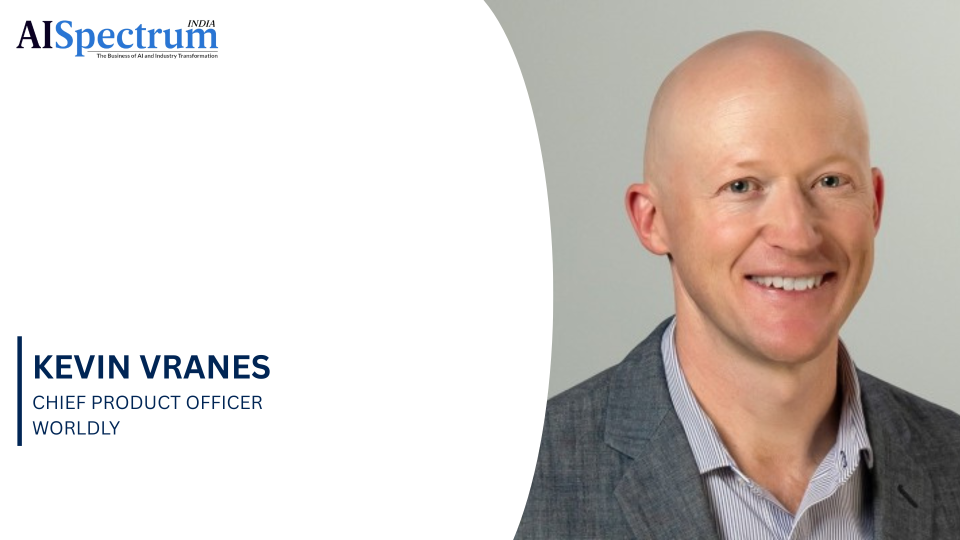
In this interview with AI Spectrum, Kevin Vranes, Chief Product Officer at Worldly, discusses how AI is reshaping supply chain compliance through the company’s Supplier Compliance Management solution. He explains how AI-powered audit data mapping, standardised risk classification, and predictive analytics are helping global brands move beyond fragmented compliance workflows to build smarter, more transparent, and resilient supply chain ecosystems. Vranes also shares insights into the future of AI-driven compliance intelligence and how data from more than 40,000 facilities is enabling a new era of supply chain accountability and foresight.
What prompted Worldly to develop the Supplier Compliance Management solution, and how does it address longstanding challenges in supply chain compliance?
We kept hearing from compliance teams that critical audit data was scattered across spreadsheets, they had to manually map data to Codes of Conduct, and remediation was tracked through endless email threads with no clear ownership. The system was creating more work rather than reducing risk. This is happening at the same time as the regulatory stakes rise. U.S. Customs and Border Protection has detained nearly $4 billion in shipments over forced labour concerns since 2022, and the EU's forced labour regulation takes effect in 2027. Supplier Compliance Management meets that urgency directly. It provides one system that centralises audits, offers corrective action plans, and tracks risk, so compliance teams can spend less time assembling data and more time acting on it.
How is AI used to map audit data across different frameworks to a brand's Code of Conduct, and what makes this approach more effective than traditional methods?
AI is like a universal translator for audit data. Brands today receive information from multiple third-party audit frameworks that all use different languages, scoring systems, and structures. Then the brands must manually decode how each finding relates to their own Code of Conduct. Our AI automates that translation at scale, mapping findings across frameworks, including ILO Core Labour Standards and the Cascale Risk Framework, to each brand's specific standards. This new approach is fast and consistent. Manual mapping introduces variability depending on who's doing it and when. AI applies the same logic every time, which means findings across hundreds of facilities are classified and scored in a way that's actually comparable.
How does the platform ensure accuracy and consistency when standardising risk classification and severity scoring across diverse geographies?
Our approach is rooted in the breadth and quality of the underlying facility data. Worldly has primary data from more than 40,000 facilities across global supply chains, and Supplier Compliance Management builds on that foundation to apply standardised classification logic regardless of where a facility is located or which audit framework was used. The AI doesn't adapt its standards based on geography — it surfaces what's there against consistent criteria, which is precisely what allows compliance teams to make meaningful comparisons across regions and prioritise where to act first.
With increasing regulatory pressure, such as forced labour laws, how do you see AI transforming compliance strategies for global consumer goods brands?
For a long time, compliance has functioned reactively — brands respond to audits, manage findings after the fact, and scramble when a new regulation surfaces. With AI, brands can change their approach from a reactive one to a strategic one. When you can automatically ingest audit data, map it to your Code of Conduct, classify risk, and track remediation in one place, compliance stops being a documentation exercise and starts informing real decisions. Leaders can use data to inform sourcing strategy, supplier investments, and disclosure to regulators and investors. The brands that will navigate the next wave of legislation most effectively are those building compliance programs that generate structured, reliable data rather than just audit reports.
How does leveraging data from over 40,000 facilities enhance your predictive insights and risk detection capabilities?
Data at that scale separates pattern recognition from guesswork. With primary data from over 40,000 facilities, we can identify risk signals that simply aren't visible when you're looking at a single brand's supply chain in isolation or using data estimates. We can examine correlations between facility characteristics, geographies, operational practices, and compliance outcomes and provide intelligence based on that data. That depth is also what powers tools like Worldly Axion, our predictive risk solution, which combines facility-level data with climate, water, and regulatory risk modelling to help brands anticipate problems and address them rather than discover them during an audit.
What further innovations can we expect from Worldly regarding the use of AI to drive transparency and accountability in supply chains?
We see Supplier Compliance Management as a foundation for driving transparency and accountability. The near-term roadmap focuses on deepening the connection between compliance data and sourcing and buying decisions. We’re giving sourcing and procurement teams the risk intelligence they need at the moment they make decisions with suppliers to address key impact areas. More broadly, we're continuing to invest in predictive capabilities across climate, labour, and regulatory risk through Worldly Axion. The goal is a platform where brands, retailers, and manufacturers have not only visibility into what's happening in their supply chains but genuine foresight into what's coming and the solutions to adapt and act on challenges, including decarbonization, reducing water use, improving social impact, and preparing for global regulations.