

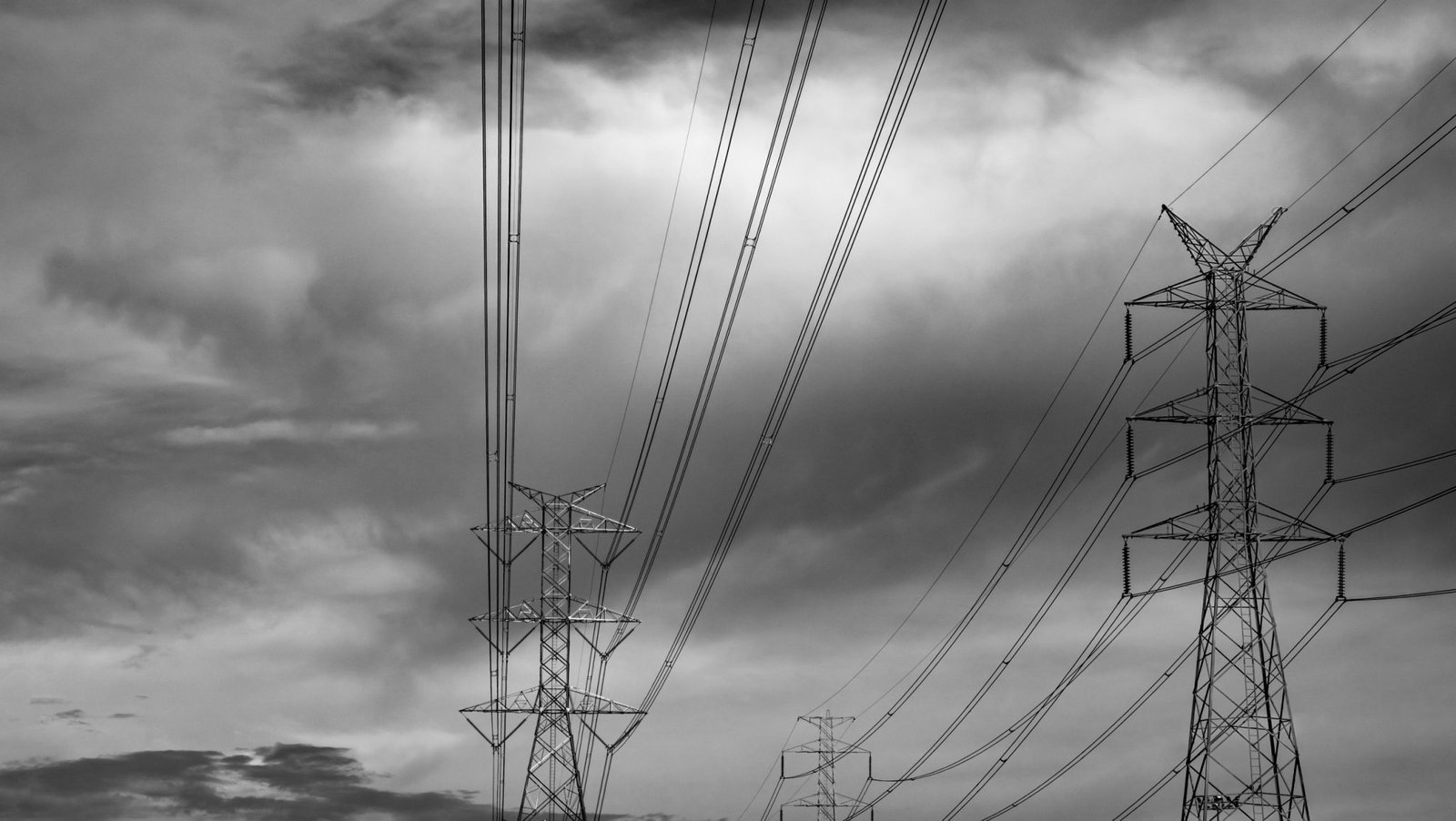
Researchers led by the University of Maine (UMaine) are developing AI-powered technologies designed to help electric grids withstand cyberattacks, equipment failures, extreme weather and other disruptions, with a focus on improving power reliability in vulnerable communities.
The multidisciplinary research programme, led by UMaine’s Prabuddha Chakraborty, is supported by a two-year, $2.4 million award from the US Department of Energy’s Established Program to Stimulate Competitive Research (DOE EPSCoR).
The project brings together researchers from the University of Hawaii at Manoa, the University of North Dakota and the University of Puerto Rico Mayagüez. The teams will address different cybersecurity and reliability challenges associated with deploying AI in modern power systems, including hardware security, anomaly detection, forecasting, self-healing systems and microgrid simulations.
Smart grids combine sensors, software, communications technologies and AI to make real-time decisions about power system operations. However, the increasing use of connected and intelligent technologies also creates new cybersecurity and reliability challenges.
The researchers aim to develop systems that can continue operating even when faced with cyberattacks, compromised or poor-quality data, equipment failures or communication disruptions.
The technologies could help utilities improve the reliability, affordability and security of electricity while enabling safer and more efficient operations.
“No single field can solve this issue alone. The project combines power systems, AI, cybersecurity, hardware security, communications, sensing, economics, visualization and workforce training,” said Chakraborty, Waldo Libbey Assistant Professor at UMaine.
“If you leave out any one of those pieces, you may get an interesting technical result, but not a solution that works in the real world.”
Each participating jurisdiction will bring specialised expertise to the programme while addressing a specific barrier to AI adoption in power systems. The UMaine team will connect these research areas through a broader framework rather than treating them as separate technical challenges.
The project is also intended to address the needs of regions particularly vulnerable to extreme weather and unreliable electricity infrastructure.
For Puerto Rico, researchers will explore how modernised grid technologies can improve resilience following natural disasters.
“We hope that this project allows jurisdictions like Puerto Rico to improve their ability to provide reliable electricity to citizens, especially in areas without electricity after Hurricane Maria,” said Juan Patarroyo Montenegro, assistant professor at the University of Puerto Rico at Mayagüez and project co-principal investigator.
The project will also incorporate workforce development, with participating teams training students, developing educational modules and building technical capacity to support the future deployment and maintenance of smart and secure grid infrastructure.
By bringing together AI, cybersecurity, power systems, communications and workforce development, the researchers aim to demonstrate how AI-enabled technologies can help create more resilient electricity networks capable of responding to both digital and physical disruptions.