

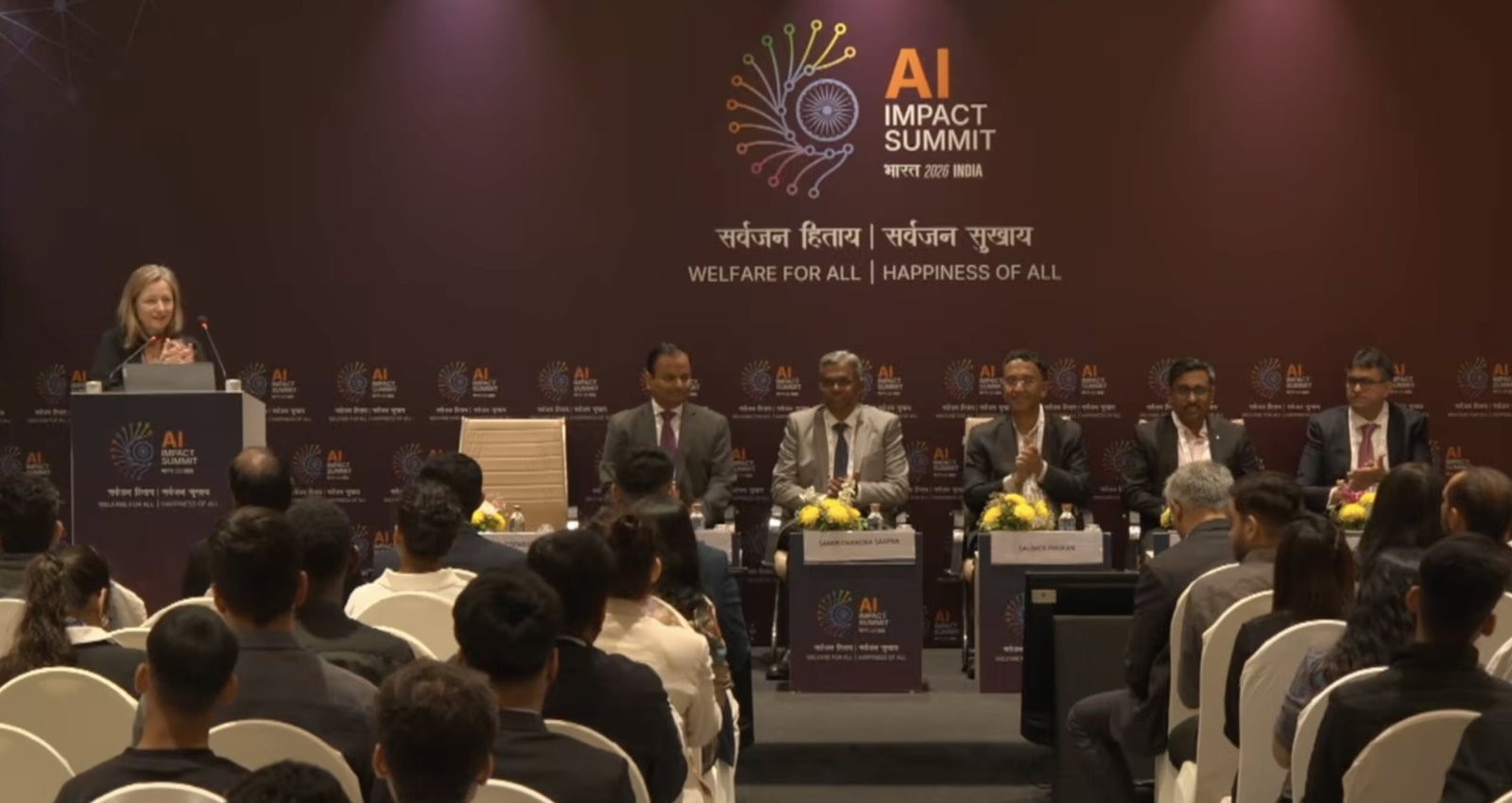
The session titled From Insights To Action For Resilient, High Performance Data Centres examined how artificial intelligence and advanced energy technologies are reshaping the design and operation of next generation data centres. As AI driven computing demand accelerates globally, speakers explored the growing need to build infrastructure that is resilient, energy efficient, and capable of supporting increasingly complex computational workloads.
The discussion positioned data centres not only as digital infrastructure but also as dynamic components of modern power systems, requiring integrated approaches across energy planning, grid flexibility, and operational intelligence.
Key Themes Discussed
1. AI Driven Data Centres As Dynamic Energy Loads
Panellists highlighted how large scale AI workloads are transforming data centres into complex energy consumers that must balance performance with grid stability. The conversation focused on adaptive energy management and flexible architectures that can respond to fluctuating demand.
2. Advanced Technologies For Resilience And Efficiency
The session explored hybrid grid architectures, predictive digital twins, advanced cooling systems, and geothermal solutions designed to improve operational resilience and reduce environmental impact. Speakers noted that integrating these technologies is essential for sustaining long term AI infrastructure growth.
3. Planning Tools And Risk Reduction Frameworks
Applied research around geospatial analysis, transmission siting, and large scale testing environments was highlighted as critical for reducing risk and improving decision making. Participants discussed how simulation platforms and planning tools can accelerate infrastructure deployment while maintaining system reliability.
Speaker Perspectives
Ben Kroposki, National Renewable Energy Laboratory
Kroposki discussed how power systems engineering is evolving to address the growing energy intensity of AI driven data centres. He emphasised the importance of integrating grid intelligence and flexible energy architectures to ensure resilient operations at scale.
Jal Desai, National Renewable Energy Laboratory
Desai highlighted the role of applied research and testing environments in supporting reliable deployment. He noted that data driven modelling and risk simulation are becoming essential tools for infrastructure planning and operational validation.
Reji Kumar, Indian Smart Grid Forum
Kumar provided perspectives on grid readiness and regional energy planning, emphasising collaboration between digital infrastructure developers and energy stakeholders to manage demand growth while maintaining system stability.
Jaquelin Cochran, National Renewable Energy Laboratory
Cochran highlighted integrated approaches that combine policy, energy innovation, and digital technology to support sustainable expansion of AI infrastructure, stressing that resilience must be built into planning from the earliest stages.
Strategic Takeaways
-
AI driven computing demand is reshaping data centres into complex, high impact energy systems.
-
Hybrid grid models, advanced cooling, and predictive digital twins are emerging as key enablers of resilience.
-
Data driven planning and testing platforms can reduce deployment risks and improve system reliability.
-
Collaboration between energy experts, policymakers, and technology providers is essential for scalable infrastructure growth.
Closing Note
The session reinforced that future ready data centres will depend on the convergence of AI, energy innovation, and systems level planning. By combining applied research with practical deployment frameworks, the discussion outlined how resilient and high performance infrastructure can support the next wave of AI driven digital transformation.