Thales has unveiled Gladiator Training Data Analytics, a new artificial intelligence-powered platform designed to help armed forces convert vast amounts of training exercise data into actionable intelligence that can enhance operational readiness and decision-making.
The platform addresses a longstanding challenge in military training: extracting timely, reliable insights from the large volumes of data generated during live land exercises. By transforming raw data into structured, doctrine-aligned intelligence, Gladiator Training Data Analytics enables instructors and military personnel to conduct more effective After Action Reviews (AARs) and accelerate learning outcomes.
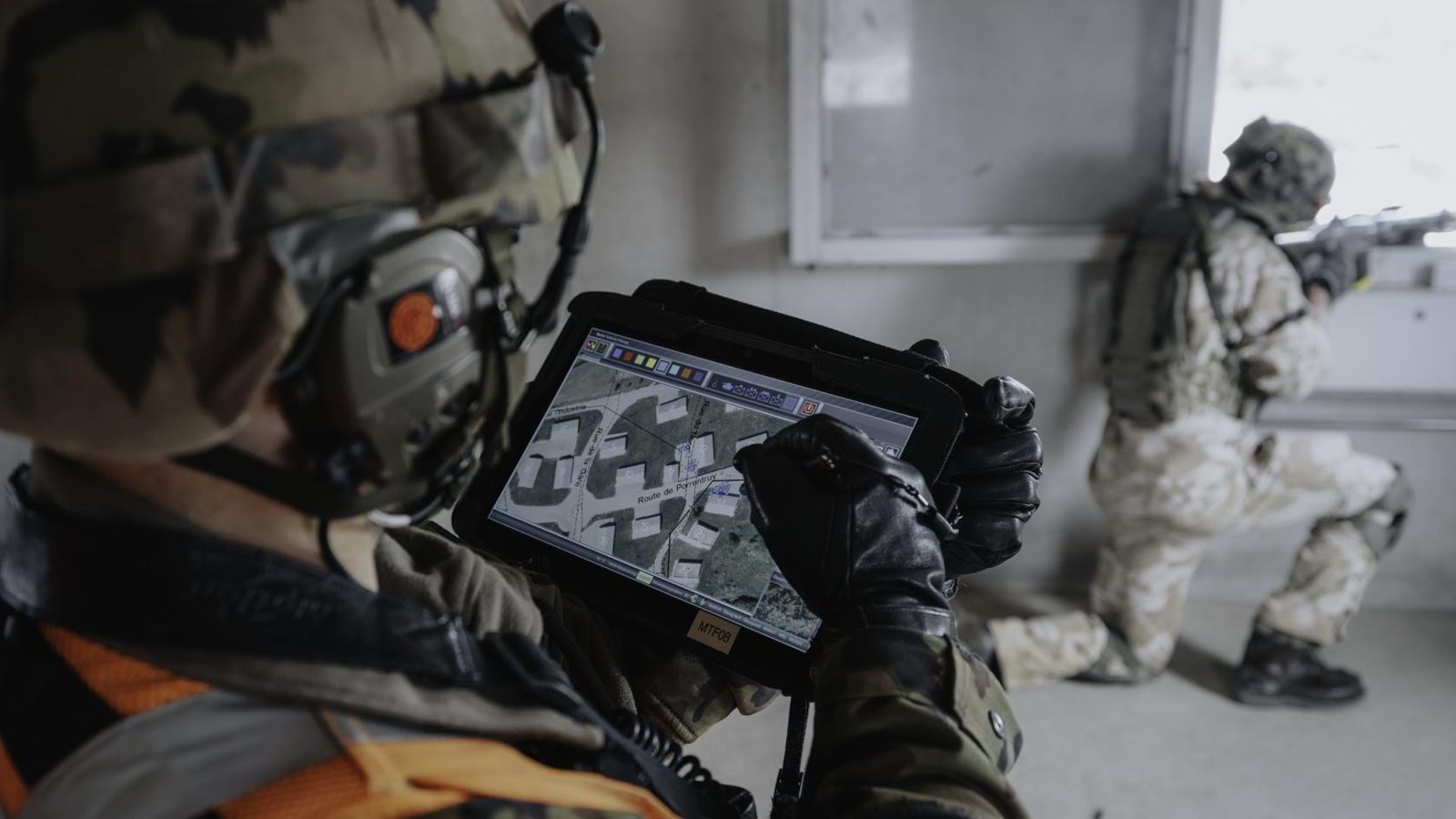
The system aggregates data from exercise control systems (Excon) and integrates inputs from soldiers, vehicles, drones and training infrastructure to create a comprehensive operational picture of field activities. Through an interactive timeline, instructors can monitor key events such as engagements, smoke deployments and artillery impacts, while a replay capability allows detailed review of entire manoeuvres.
A key feature of the platform is its ability to automatically calculate tactical performance metrics, including force concentration, weapon diversity and individual and collective effectiveness. These metrics are evaluated against established principles of warfare and made available within minutes of an exercise’s conclusion, enabling faster, evidence-based debriefings.
Thales said the platform has been designed to align with military doctrines and training objectives, allowing instructors to assess how personnel make decisions under pressure and identify opportunities for targeted performance improvement.
The solution also incorporates an advanced AI-driven communications analysis engine. Radio communications are automatically transcribed, even in noisy or degraded operational environments, and processed using natural language processing (NLP) technologies. This enables instructors to evaluate communication flows, command effectiveness and decision-making processes throughout an exercise.
According to the company, the AI-powered analysis provides a structured view of chain-of-command interactions, supporting more precise coaching and helping military organisations refine doctrine and operational procedures.