
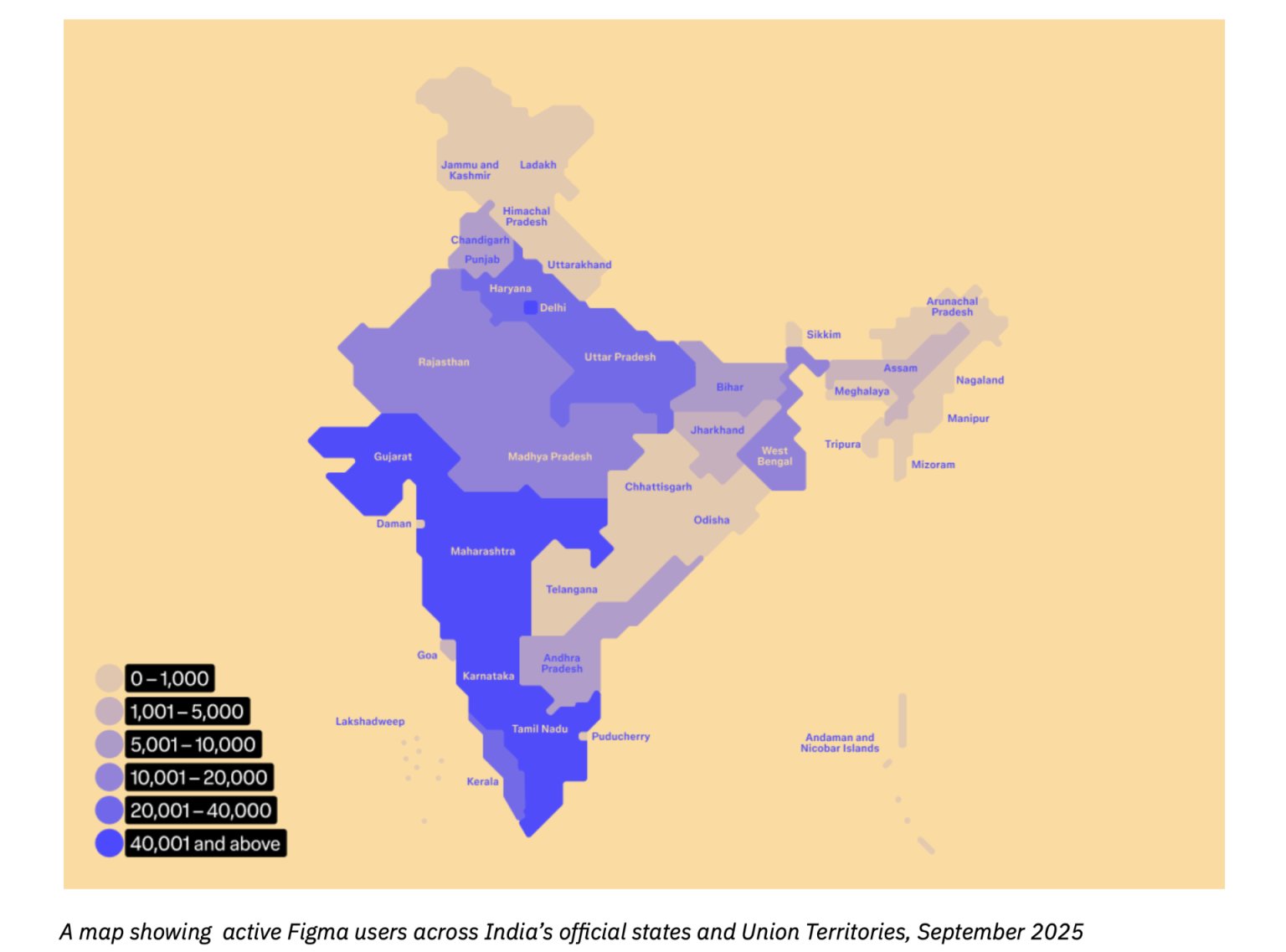
Figma, the design platform, has unexpectedly been a huge success in India. The product's popularity has grown so much that the company has decided to establish a physical office in the country now. The opening of Figma's new office in Bengaluru on Wednesday, therefore, represented the first global site of the San Francisco-based company.
This, however, is not just a token of Figma's commitment. The company has recognized a specific problem it wants to solve, and India is very important in the process.
The perception problem
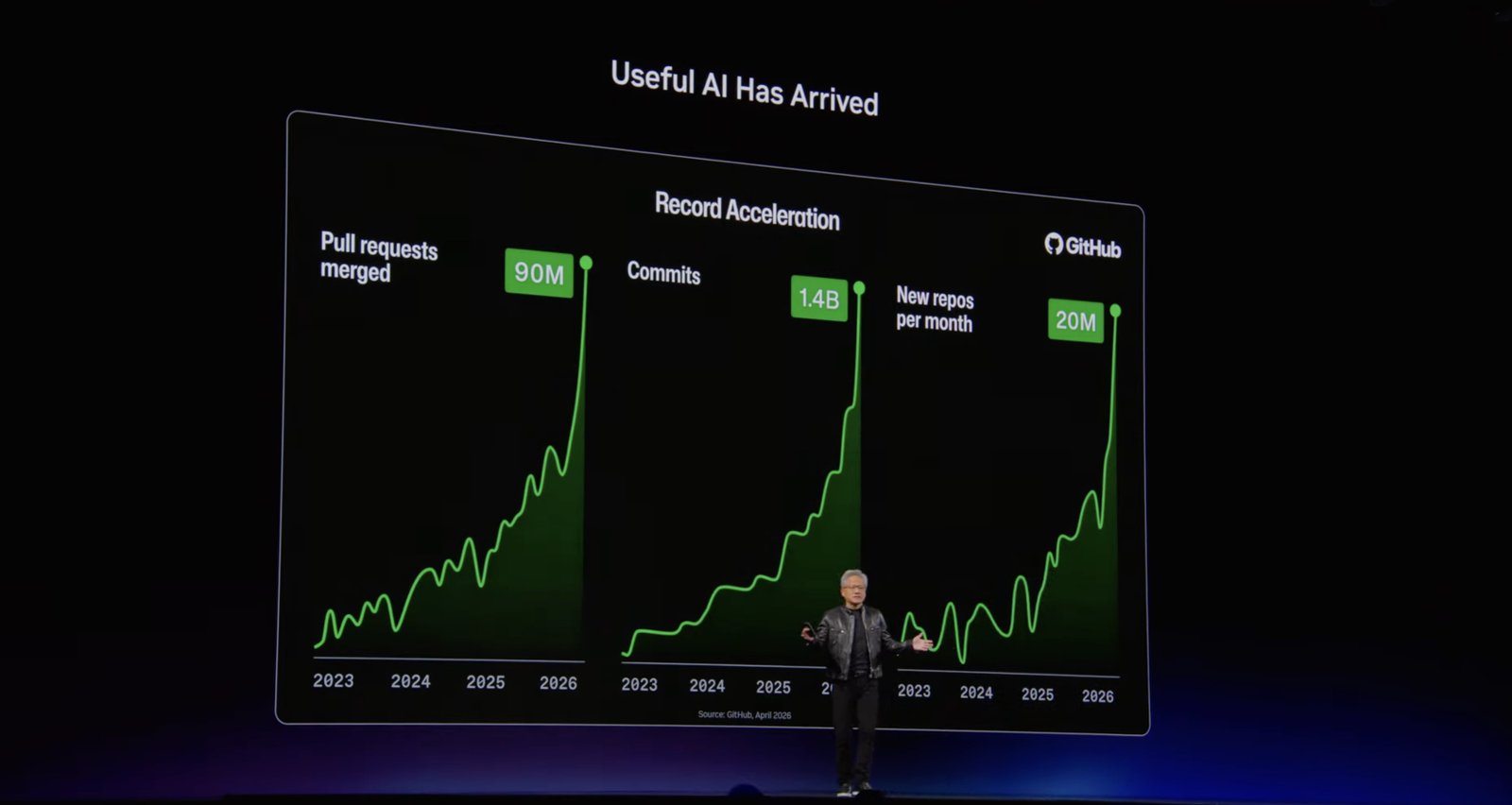
Over 33% of Figma's global users are developers, not designers. In India, the country which has about 22 million developers according to Microsoft's GitHub statistics, the majority of people still consider Figma to be just a design tool.
Abhishek Mathur, the Vice President of Engineering at Figma, stated very clearly: "A huge developer community exists in India who might not consider Figma as their tool today, but that is exactly what we would do." Thus, a large part of the market would be left out. India comes next after the US as the second country in terms of Figma users. The company has coverage in 85% of the states of India which has a total of 28 states. Figma has become the go-to design tool for more than 40% of the top 100 companies listed on the Bombay Stock Exchange. In India, the Friends of Figma community has grown to over 25,000 members — the largest anywhere in the world.
Thus, Figma is not starting all over again. Figma is not starting from zero but from a point where its application has strength as a designer tool, and it is now trying to penetrate the much bigger developer user base, which is larger than designers' population.
What has changed lately?
In the month of May, Figma introduced its AI-powered features which are very much in competition with the coding platforms such as Replit and Lovable. Among them, Figma Make stands out, as it converts text prompts into working web applications. Just explain your idea and the tool will generate the design along with the functional code.
Figma Make has instantly become the largest market in India. More than 800,000 prototypes have been generated by the users from this region already. This number is quite significant and it is a clear indication that Indian users are already considering Figma as more than just a design tool, even if the wider perception hasn't matched it yet.
Dev mode, which was rolled out in 2023, is also available now and it helps to turn designs into code very quickly. The uptake among Indian developers has been gradually increasing.
Why India was the driving force behind the product!
Something very interesting occurred. Users from India consistently requested better code export facilities. They were looking for output of higher quality from the tool. Figma listened to their concerns and delivered it.
This feedback loop has great value. If you get and build the need from millions of technically savvy users in a demanding market, then it implies that the entire global product has been improved. India is not just a huge market for Figma but is also contributing towards the enhancement of the product.
Who has already begun using it?
Figma is a favorite among many consumer startups such as CRED, Groww, Swiggy, and Zomato, so are the tech giants like TCS and Infosys. Apart from these, there are also other consumer brands such as Airtel, CARS24, and Myntra who have implemented the tool. This constitutes a vast and varied range. It is neither only startups nor solely large corporations. All companies, no matter their size and coming from different sectors, are realizing the advantages of the platform. Figma for the year 2024 almost got 50% of its revenues from countries other than the USA. Although India is referred to as a "core market," detailed revenue numbers were not made public. Since 85% of Figma's usage comes from international users, it can be inferred that the share of India is quite significant. The next phase is going to be Figma's establishment in Bangalore that will primarily be for the purpose of sales and marketing. Until now, the company has been helping its Indian customers by the Singapore team, but that is going to change now. Maintaining a local presence allows for easier customer interaction and building of long-term relationships.
To the question of future plans, Mathur said that the company would continue to hold the events, work with customers of various sizes, and "other possibilities" might be added at a later stage. That is a corporate way of saying "we are starting small but have bigger plans."
The impact of this on Figma and beyond
Opening of Indian offices by tech companies is not a new story. However, the specific problem of Figma is very challenging and interesting. They need to alter the mindset of an entire profession towards their tool. That will require more than just marketing, it will be necessary to show the developers' workflows very rightly that there is value in the tool.
If they manage to do it, they would win over the skeptics and validate something very important. India is not just a place to sell and support existing products with new language and culture. It is a place that can massively influence the life cycle of the product and the characteristics of the end-users.
Figma already proved that there are no limits to their creativity and possibilities once. When they released a web-based design tool in 2012, it was not credible that it could the desktop software. It did though! Now they have a chance to expand the scope beyond just designers.
Today there are 22 million developers in India and the evidence of the platform's effectiveness in development workflows is increasing. So Figma might just do it again!